The Age of the Inspired Shopper
Why Brands That Matter Are Winning


At a Glance
Why are inspired shoppers reshaping retail? Modern consumers are shifting away from purely transactional shopping and toward brands that inspire them through storytelling, identity, and experience. 86% of consumers are drawn to experiences that inspire awe or shift their worldview, and they’re looking to retail to deliver them (VML, The Future 100: 2026). After decades of retail optimizing for convenience and speed (accelerated by Amazon in 1995 and the iPhone in 2007), shoppers now crave discovery, creativity, and connection. WD Partners’ research shows that across specialty retail, grocery, restaurants, and CPG, the brands winning today are the ones designing experiences around identity and aspiration not just function.
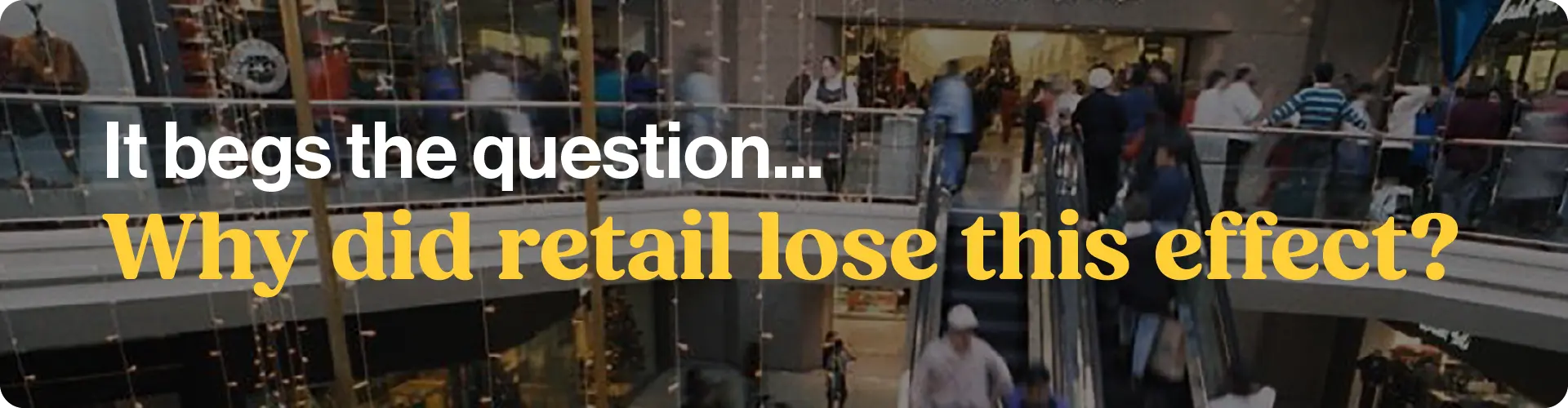
Picture this: It’s 1995. Malls are thriving. The neon-lit arcades echo with pinball machines, the scent of popcorn drifts from the movie theater, and storefronts like Limited Too and Abercrombie & Fitch lure shoppers with scent and style. Retail wasn’t just a place to buy things; it was a place to feel something.
Retail Became Transactional
How convenience replaced connection
The launch of Amazon in 1995 and the iPhone in 2007 redefined shopping around immediacy, mobility, and access. Convenient? Yes.
But something was lost—something emotional.
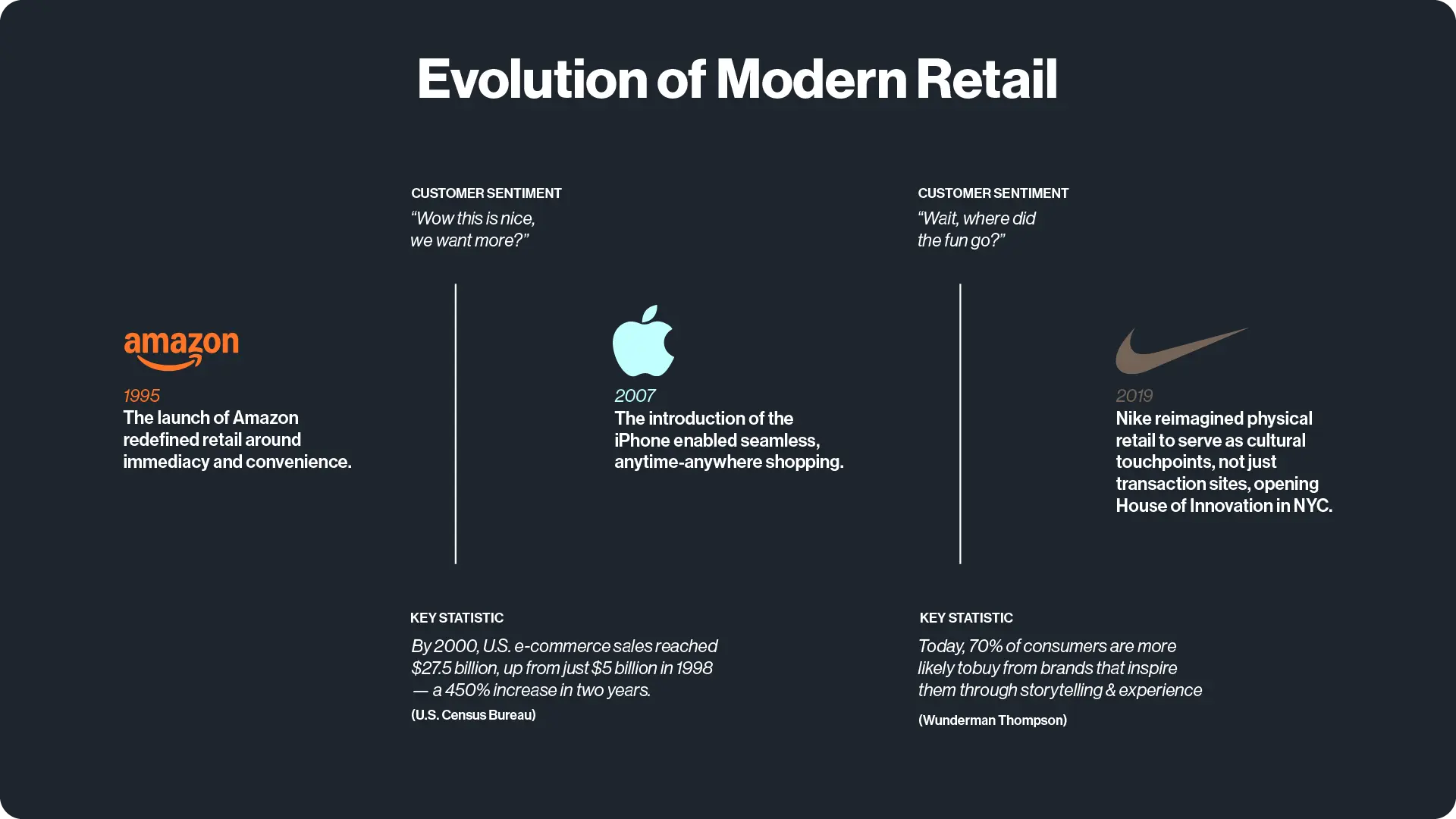
Key Stats & Timeline
| Year | Milestone | Impact |
|---|---|---|
| 1995 | Amazon launches | Redefined retail around immediacy and convenience | 2000 | U.S. e-commerce hits $27.5B (up from $5B in 1998) | 450% growth in two years (U.S. Census Bureau) | 2007 | iPhone launches | Enabled seamless, anytime-anywhere shopping | 2019 | Nike opens House of Innovation (NYC) | Physical retail repositioned as a cultural touchpoint, not just a transaction site | Today | 86% of consumers are drawn to experiences that inspire awe or shift their worldview | Storytelling and experience now drive purchase behavior (Wunderman Thompson) |
The data tells the same story from the customer’s side. Sentiment shifted from “Wow, this is nice, we want more” to a quieter, more resigned “Wait, where did the fun go?”
It’s a Pendulum
How retail swung from experience to convenience and now back again
Let’s think about the last ten years: what have retailers indexed on? Convenience, speed, ease. These attributes have certainly driven satisfaction, but they prioritize function over form, leaving consumers uninspired. So, humans do what humans do: they seek what they lack. They crave discovery, creativity, connection. This doesn’t mean function is obsolete—convenience matters, but it no longer differentiates.
Meet Our Next Gen Shoppers
What generational shifts reveal about the future of retail
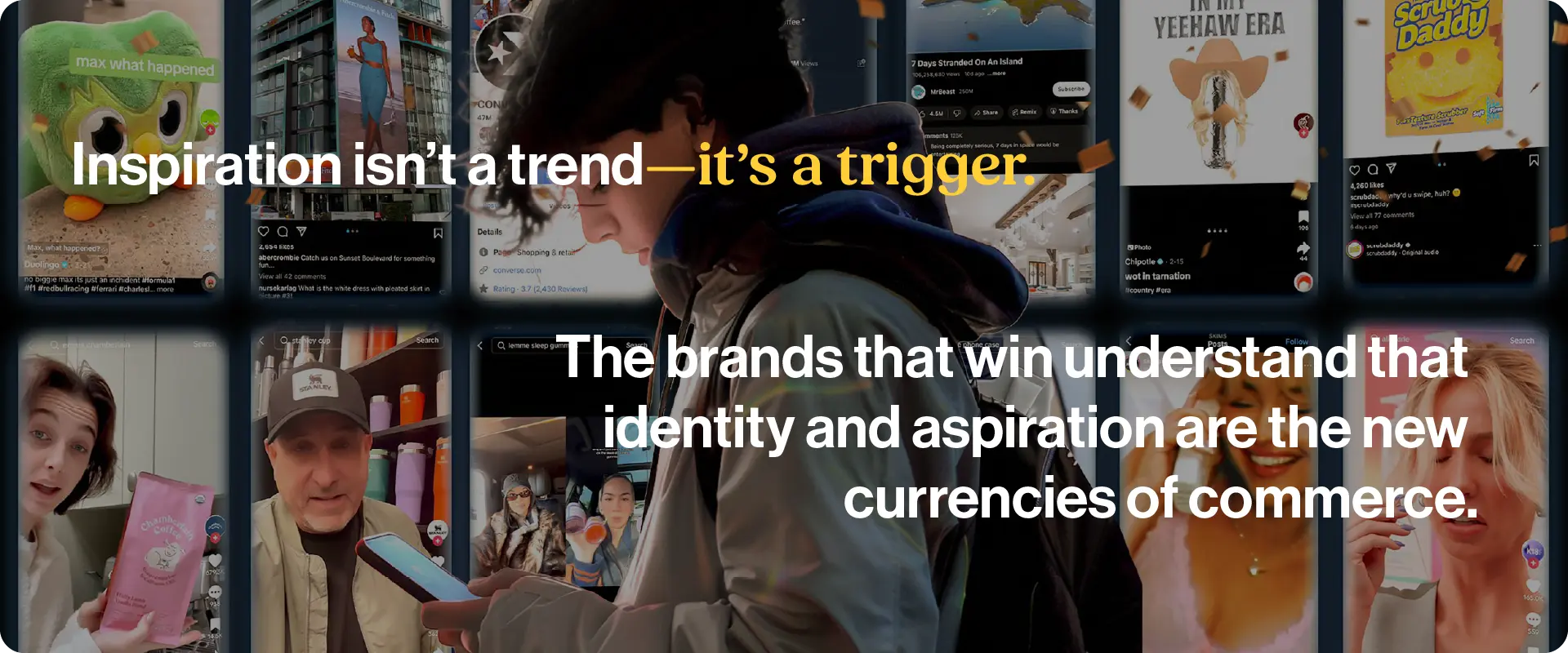
To understand the demand for inspiration, we must look at generational shifts. These shifts don’t just reflect who consumers are—they signal how brands must evolve to remain relevant. Today’s shoppers don’t just want products; they want meaning. Identity and aspiration have become the new currencies of commerce.
| Generation | Defining Events | Sentiment | Defining Qualities |
|---|---|---|---|
| Millennials | Rise of the internet; 9/11 | Seeking stability and purpose | Experience-driven, tech-comfortable, values-aligned, the most financially split generation |
| Gen Z | Social media explosion; algorithm fatigue; AI arrival; COVID-19 pandemic | IRL as a status signal | Digitally native, transparent, issue-focused, prioritize in-person experiences |
| Gen Alpha | COVID-era learning; AI immersion | Adaptive, creative; expects hyper-personalization | Early adopters, fluid-thinkers, platform-native |
How It Translates
From influencer culture to everyday romanticism, shoppers are buying into lifestyles
From the influencer economy to the romanticizing of everyday life, shoppers are gravitating toward brands that blend practicality with aspiration. They’re not just buying a meal, a moisturizer, or a pair of shoes, they’re buying into a lifestyle.
- Influencer Influx: The creator era encourages consumers to “shop” a certain life, not a certain product. Product supports something bigger than a need-based transaction—it’s a lifestyle solution.
- Romanticizing Everyday: Driving an increase in lifestyle aspirations, curated by arrays of products and brands.
- Emphasis on Experience: Brands are evolving from service providers to experience makers. It’s not just about what you sell—it’s about how you make people feel.
- Best of Both Worlds: A natural progression that, put simply, maximizes experience. Its best-of-both-worlds nature creates more opportunity to connect and serve the moment of choice.
The Brand Imperative
Why brand strategy and experience design are converging
As consumer desires shift from pure functionality to emotional enrichment, the role of the brand must evolve. Today’s successful brands aren’t just meeting needs; they’re shaping aspirations.
This is where brand strategy meets experience design. Translating cultural signals, generational drivers, and lifestyle motivations into tangible, shoppable moments is the new brand mandate. Whether through curated experiences, emotive storytelling, or immersive environments, brands have the opportunity—and responsibility—to lead with meaning.
So, ask yourself…
If you’re a retailer, are you selling an outfit—or an aspiration?
If you’re a grocer, are you inspiring family dinner—or simply restocking the pantry?
Inspiration Across Industries
How specialty retail, grocery, restaurants, and CPG are putting this into practice
Specialty Retail
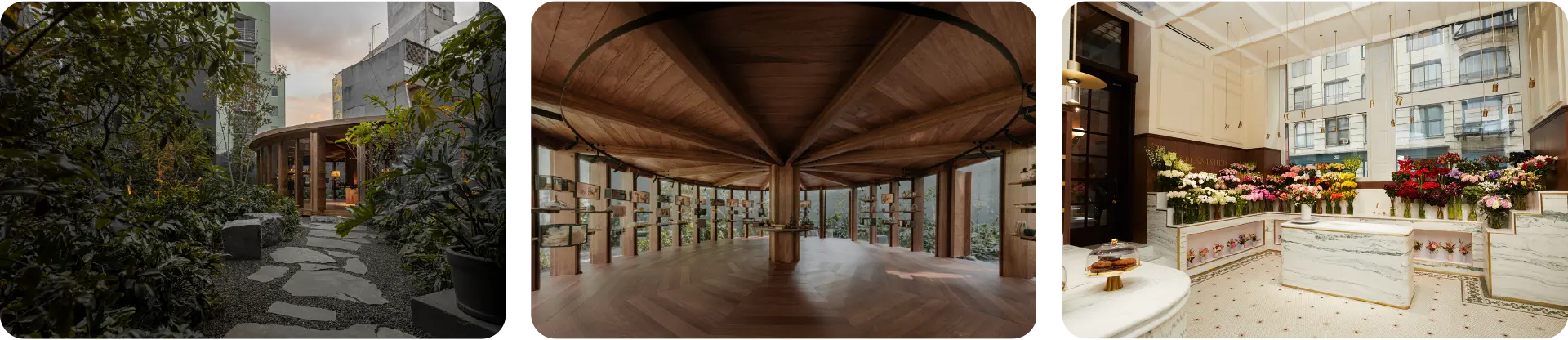
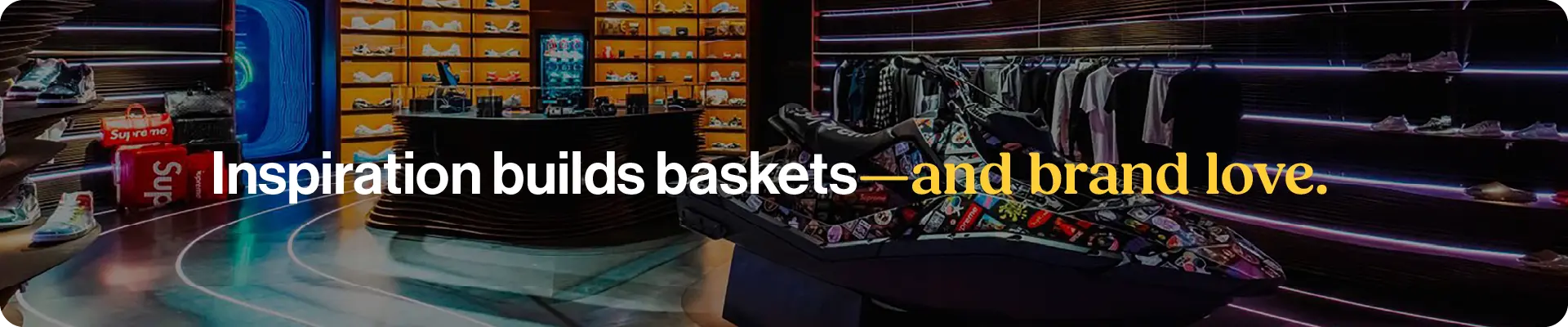
Retailers are creating narrative-rich environments that invite exploration and spark delight.
How?
Curated collections, storytelling-driven merchandising, and in-store experiences that encourage exploration.
Mass + Grocery
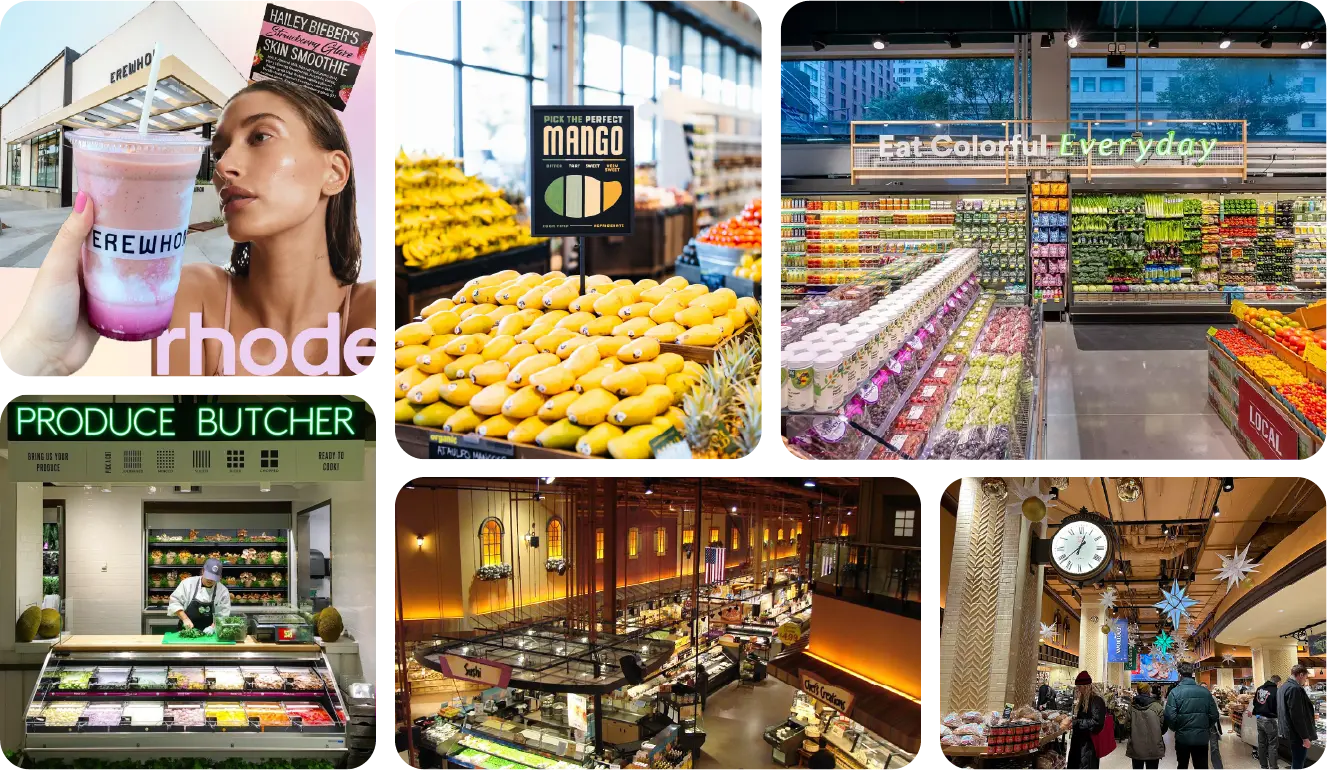
Grocers are bundling cross-category solutions that encourage experimentation and convenience in one.
How?
Meal inspiration stations, cross-category bundling, and fresh content that connects with lifestyle needs.
Restaurants + Dining
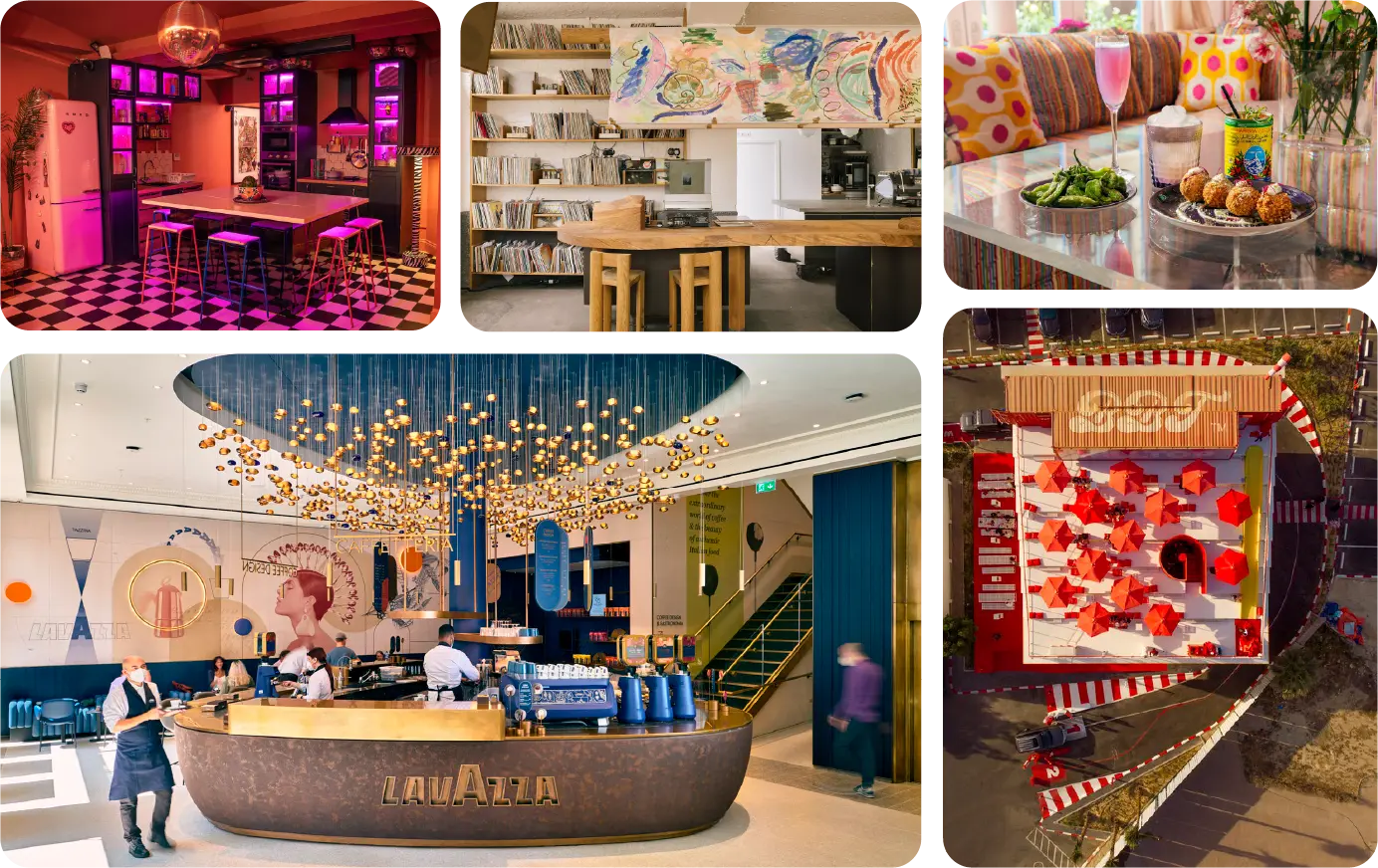
Restaurants are tapping into lifestyle aspirations, becoming destinations for discovery—not just meals.
How?
By shifting from service to spectacle. Through mood-forward interiors, hyper-visual experiences, and integrated storytelling, they’re offering a moment to remember, share, and repeat.
CPG
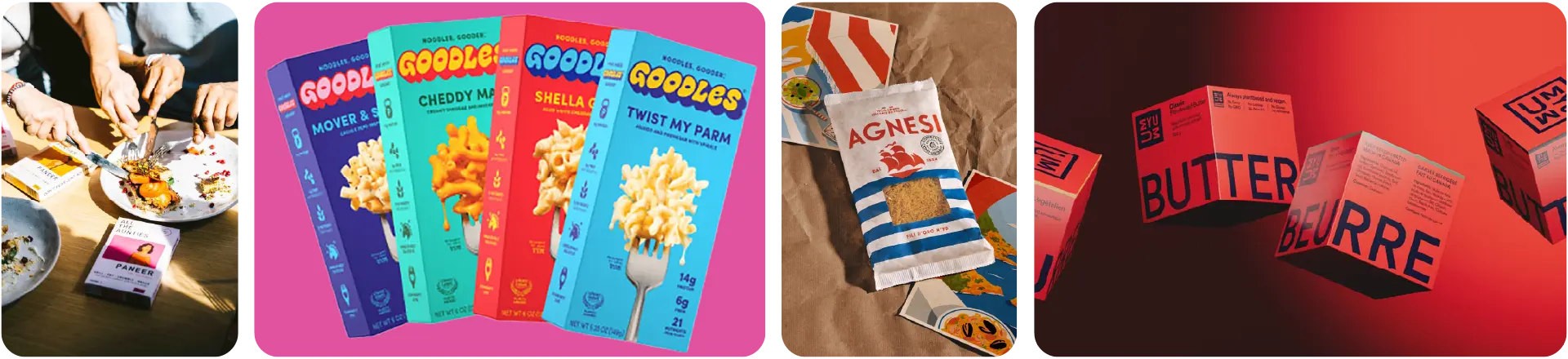
CPG brands are innovating on-pack storytelling and extending brand worlds beyond the shelf.
How?
Packaging that educates and inspires, on-pack storytelling, and integrated brand experiences.
Emotion x Utility = Loyalty
Why emotional engagement is now a performance driver, not a nice-to-have
Emotional engagement isn’t a “nice to have”—it’s a performance driver. Inspired shoppers not only buy more, they buy better. They return. They advocate. And they connect.
Emotional engagement leads to higher spend and more frequent purchases. Inspired shoppers build stronger emotional bonds with brands—turning shoppers into storytellers.
Strategic Experiences Must:
- Balance Emotion & Function: Practical solutions wrapped in meaningful moments.
- Evolve and Respond to Motivators: Identity, aspiration, and lifestyle alignment.
- Induce Curiosity: Environments that encourage exploration and play.
- Create Connections: A “you get me” response builds lasting relationships and repeat buying instead of a simple transaction.
Let’s Build Something Unforgettable
Inspiration is not a luxury—it’s a motivator. As shoppers look to express identity, find meaning, and connect with values, brands must rise to meet the moment.
At WD Partners, we decode the consumer and design physical experiences that turn insight into action and aspiration into results.
Frequently Asked Questions
Why are consumers buying from brands that inspire them?
How did retail become transactional?
What do Gen Z and Gen Alpha shoppers want from brands?
How can brands balance convenience with inspiration?
How is this trend showing up across industries?
Relevant Content
-
![Wayfind - Building the Future of Retail with Spatial Digital Twins]() Wayfind
WayfindBuilding the Future of Retail with Spatial Digital Twins
Leveraging Opportunities for Data Connectivity With Existing Digital Infrastructure
-
![Solution Story - Harbor Freight]() Solution Story
Solution StoryHarbor Freight
Optimizing Retail Operations for Long-Term Success
-
![Point of View - Let’s Talk Kids]() Point of View
Point of ViewLet’s Talk Kids
Generation Alpha is Already Ruling the World...
-
![Solution Story - Walmart Remodels]() Solution Story
Solution StoryWalmart Remodels
Delivering Faster, Smarter Remodels for the World's Largest Retailer