

A Q&A with Tia on the Future of Women’s Health
Whole Body Health Meets Women's Health with Tia
Estimated Read Time: 7 Minutes


There has been a transformative shift in women’s health, with practices offering a more comprehensive and modern approach to whole body health. This change is driven by the unique needs of women and a desire for more cohesive and consumer-centric experiences. While many medical conditions affect both men and women, the ways in which they do so are different and many women’s health needs are different and unique from their male counterparts, encompassing a need for female focused health offering. Given the fragmented nature of healthcare delivery, receiving all of these services in today’s healthcare environment requires multiple visits to multiple doctors and locations, resulting in a disjointed and confusing customer experience.
In addition to this.
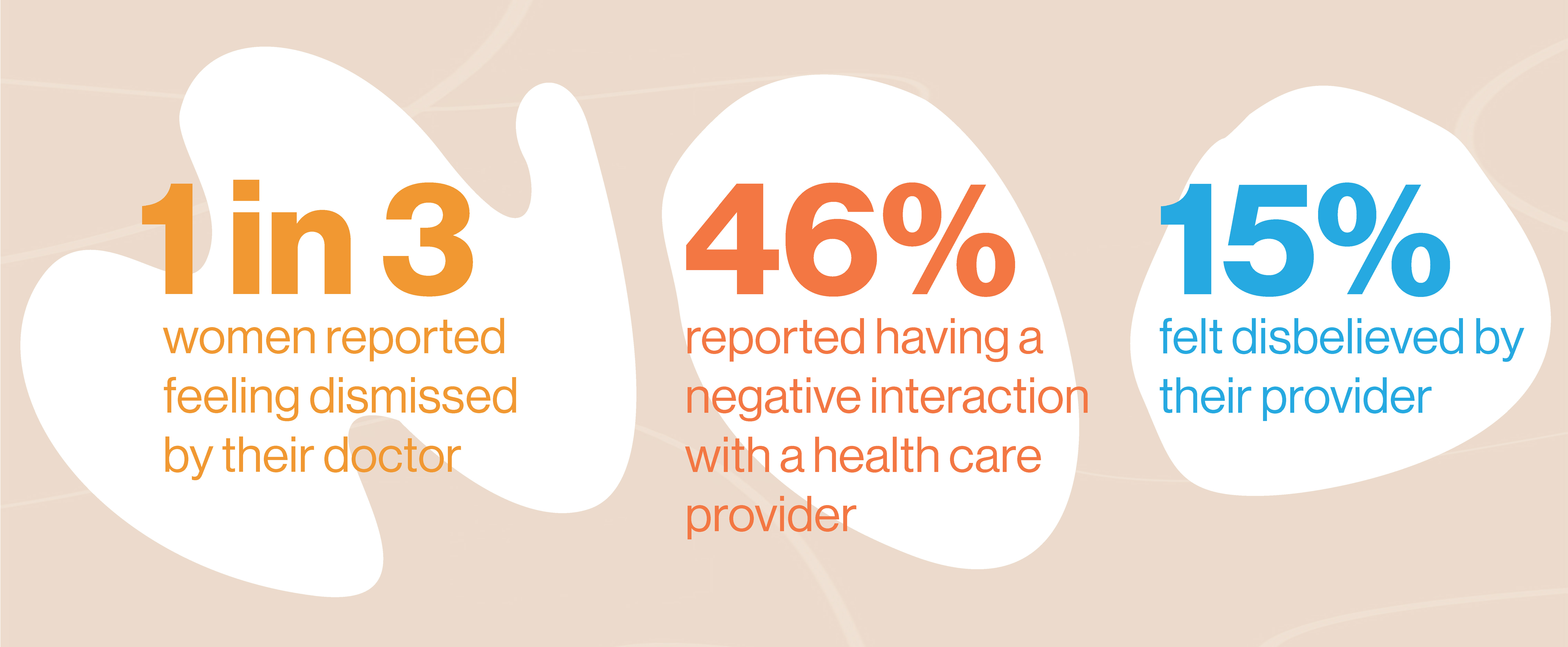
This further illustrates the need for Women’s Healthcare to have an overhaul.
Enter Tia. Tia is creating a holistic journey that brings together whole body and mind care focused on a woman’s life journey. Not only that, they are creating community and social wellness environments through their events, educational offerings, and telehealth availability. Their vast health and wellness offerings include: Gynecology, Primary Care, Mental Health Support, Wellness Services, Skincare, and Longevity. This concept shows innovation in women’s health but also in traditional healthcare as they blend mind, body, and social connection for proactive health planning and reactive healthcare management.
In this Q&A with Jessica Horwitz, MSN FNP-C, Chief Clinical Officer + Chief Operating Officer of Tia, we discuss the philosophy driving this next generation women’s healthcare platform, the female model of healthcare, the human-centered ecosystem of services and products, and what that means for the modern healthcare system.
Q: Now, more than ever, it is time to shine a light on women’s health and make comprehensive care for women a priority. With that in mind, what do you think are the most pressing health challenges facing women today that are not getting enough attention?
A: It is time that women are cared for comprehensively and fully – beyond body parts or life stages – but instead through a lens of what she needs to live fully, vibrantly and healthfully for all the days of her life. Because of this, it is hard to narrow down the need for certain health priorities. We could talk about the need for more integrated mental health care, as mental health is intrinsically linked to physical health. We could talk about comprehensive heart health, as cardiovascular disease is the number one killer of women and is preventable in many cases. We could talk about brain health or autoimmune health or the racial disparities in healthcare. All of this and more are pressing challenges facing women today.
We should start though by acknowledging that caring for women starts with listening to women. Far too many women are dismissed or misunderstood in healthcare. A recent survey of women aged 24–35 found that nine in ten felt unheard by providers, and 40% said they saw multiple clinicians before getting a diagnosis.
In order to solve the biggest health concerns, we have to recognize that the gap in women’s health is more than just access; it’s trust and coordination. Health care for women is still fragmented across specialties that do not communicate. It’s often tied to reproductive health when women are far more than that. The burden then falls on women to connect the dots, to advocate for herself and to navigate a system that was not built for her.
Improving health outcomes starts with building a system that sees women as whole people rather than a collection of isolated symptoms and keeps her at the center always.
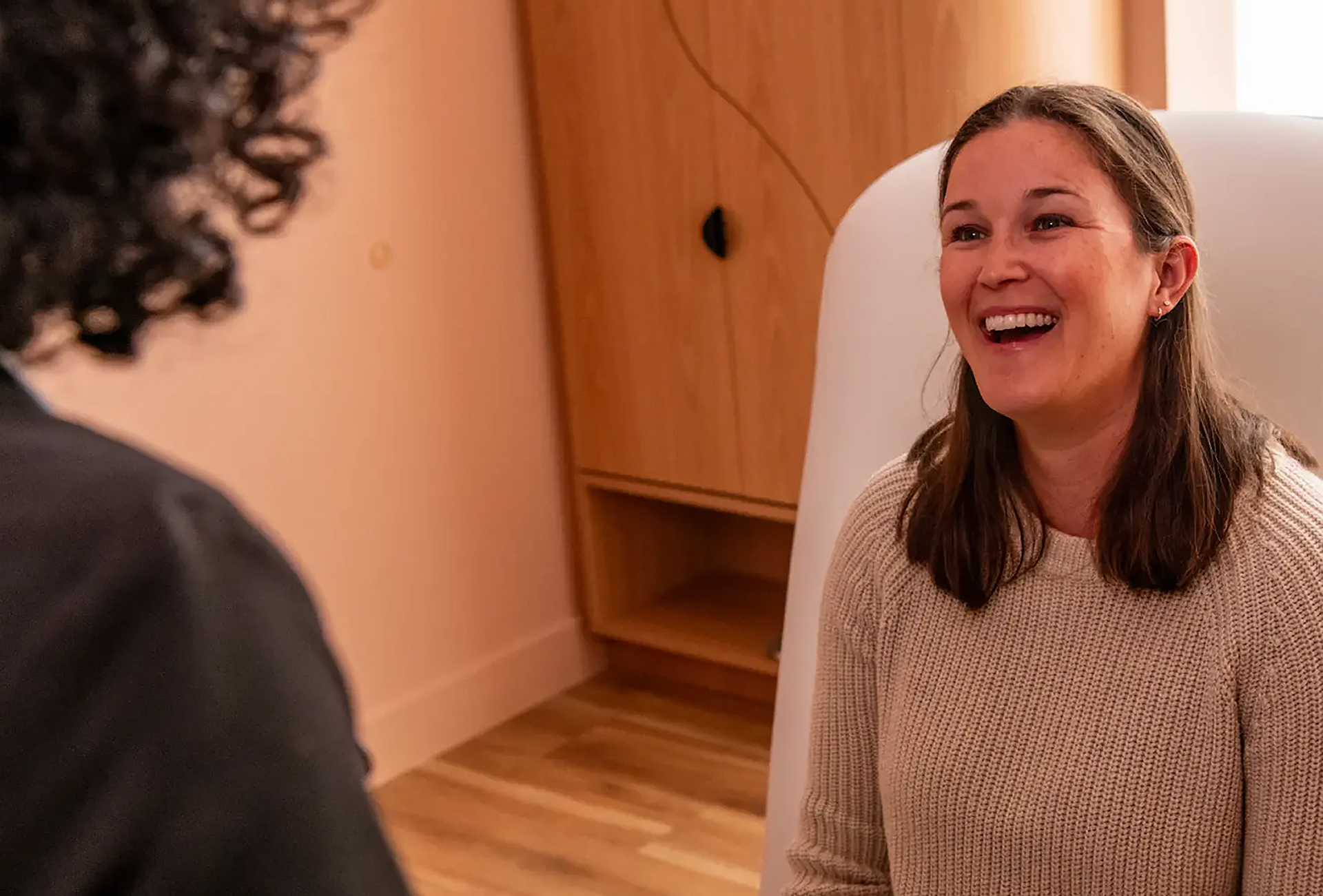
Q: Women’s Health is more than Reproductive Health; how does Tia’s model address whole body health and wellness? More specifically, how does Tia’s health care model differ from traditional primary care or OB/GYN care?
A: At Tia, we’ve built care around the reality that women’s health is whole-body health — everything is connected: hormones, mental health, sleep, nutrition, stress, relationships, and more. Traditional healthcare separates those things into different offices and systems. We treat reproductive health, primary care, hormonal health, metabolism, mood, and preventive care as connected, not separate.
Where traditional healthcare often reacts to problems in isolation, we’re focused on proactive, continuous care that evolves as women’s lives do. Whether someone is managing PCOS, navigating perimenopause, looking for help with nagging symptoms that come and go or thinking about long-term vitality, our clinicians are trained to look for patterns across systems, which means women get answers faster and care that fits their actual lives, not just their lab results.
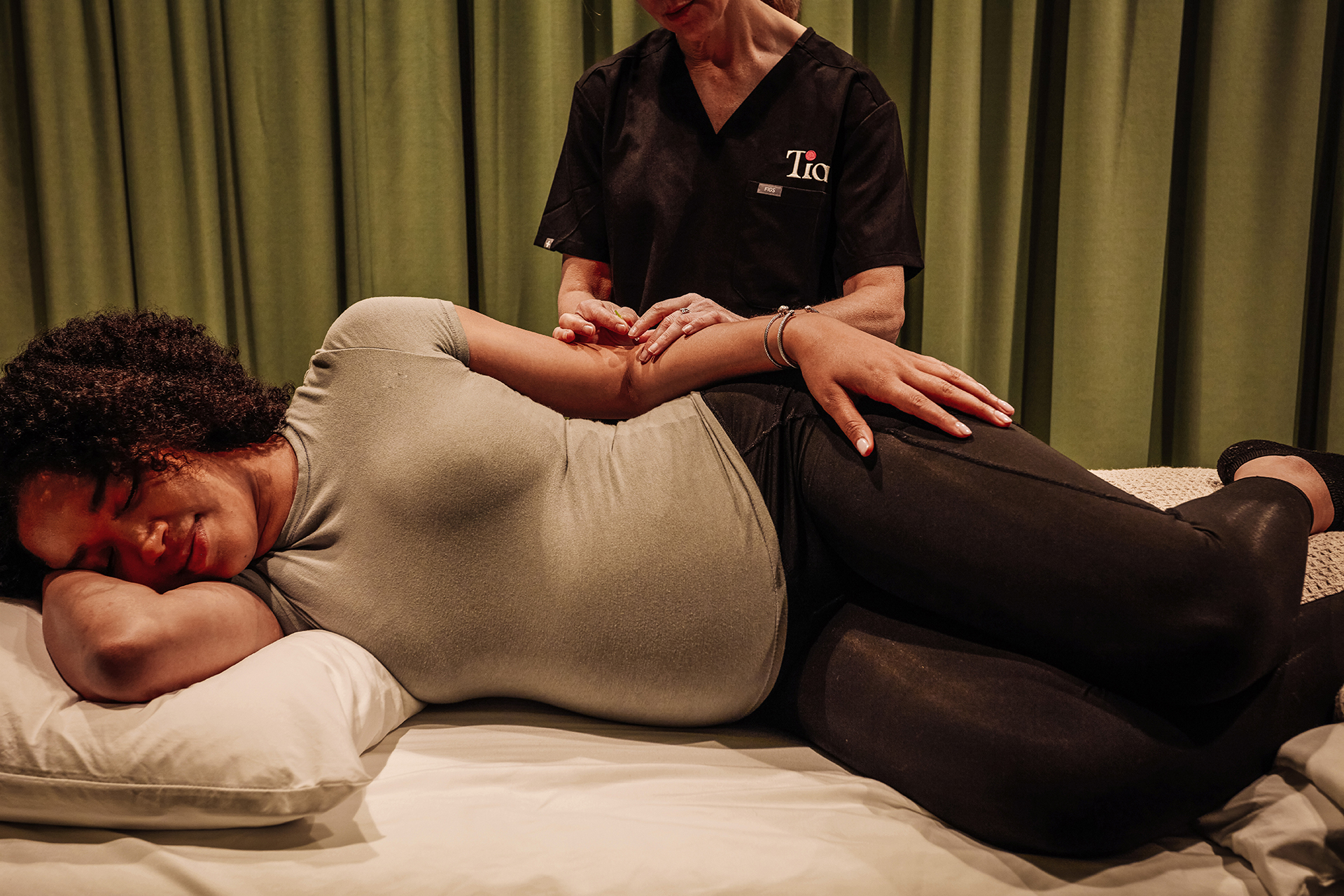
Q: How is Tia using their services offering, strategic partnerships, and integration of technology to personalize care for women?
A: At Tia we believe technology and partnerships should be integrated to enhance the relational care between our providers and our patients. Our technology helps us deliver care that’s both personal and connected. Before every visit, patients complete a digital check-in that helps the care team understand what’s changing — from symptoms to mood to life stressors. That data powers truly personalized care plans and helps us track outcomes over time. We leverage AI to support documentation so that providers can spend more time seeing their patients with ease.
We also seek out strategic partners and digital tools that align with our model of coordinated, integrated care rather than one-off solutions.
The goal is to make care seamless, so every woman feels known and supported at every step.
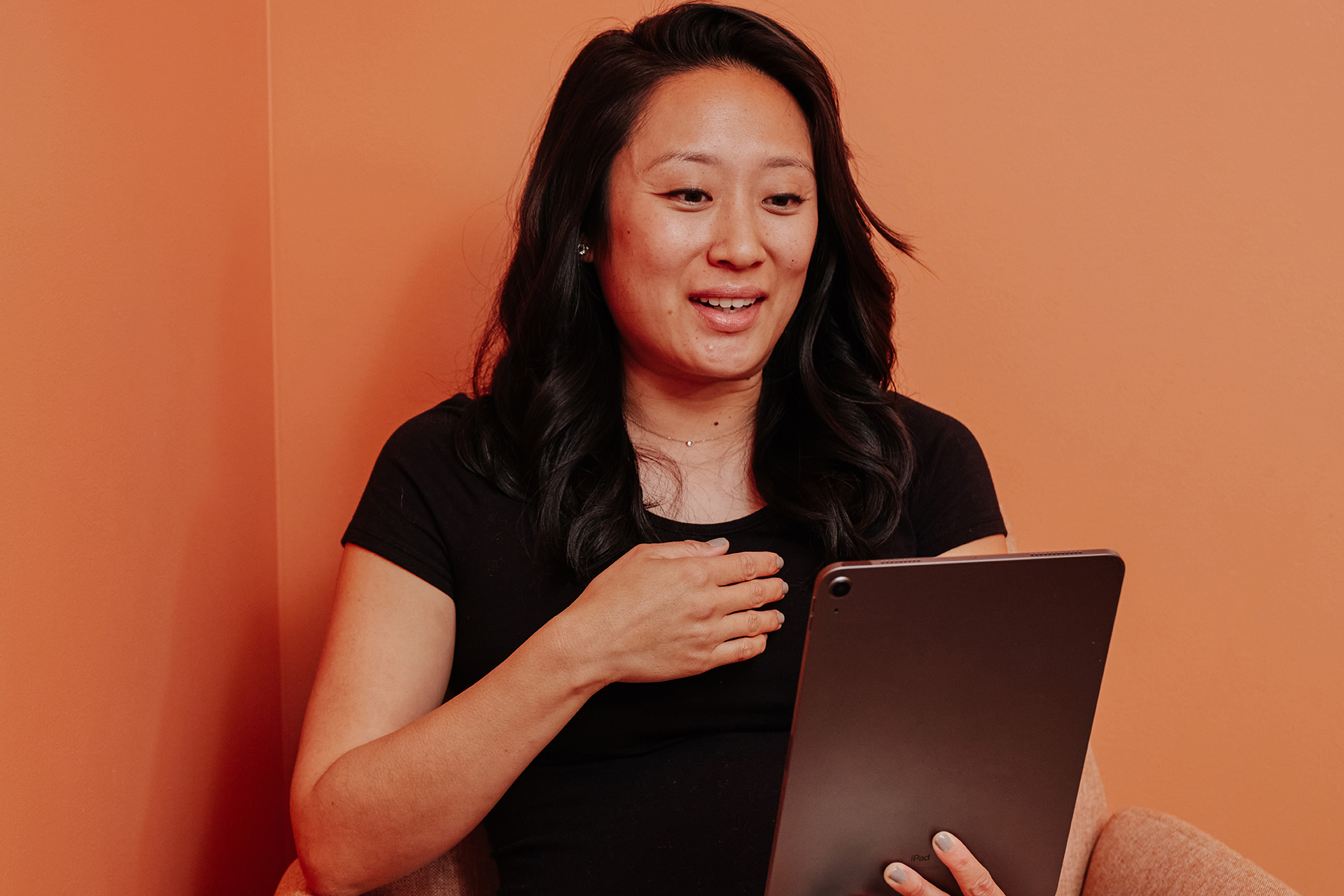
Q: Healthcare is trending from reactive to proactive health. Women are defining their own health journeys and looking for access and support on this path. How does Tia Essential and the Tia Membership program help to do this?
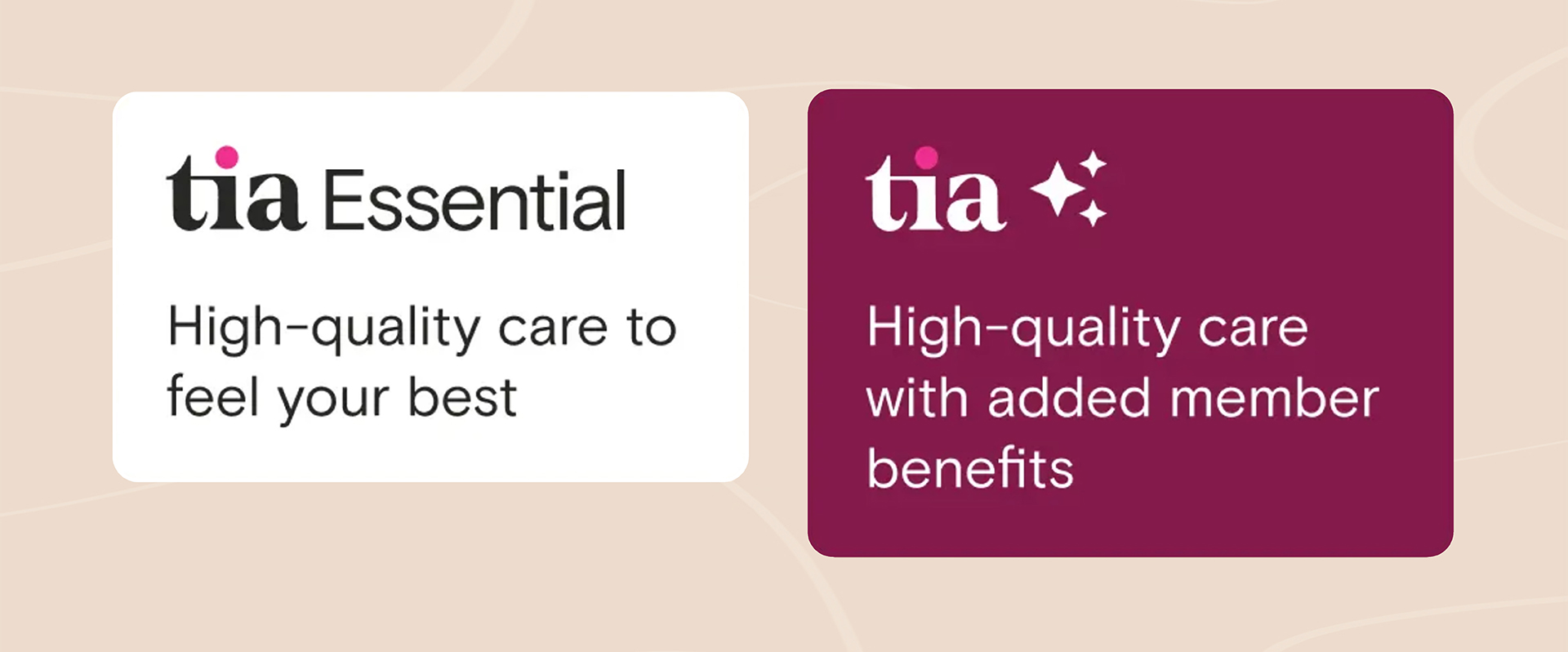
A: We have two ways to access care at Tia – but the care a woman received is the same. We aim to deliver high quality medical care designed for women, meeting her where she is, and we do this regardless of membership tier.
We designed Tia Essential to make it easier for women to get care — no membership required, just high-quality, integrated care when you need it.
For those who are looking for more coordination, support between appointments and convenience of accessing care at times that work best for you, the Tia Membership offers higher touch care coordination, priority scheduling, and virtual touchpoints that help women stay proactive about their health.
Whether you choose Essential or Membership, the care is the same: comprehensive, evidence-based, and built around prevention, not just problem-solving.
Q: What inspired you to join Tia and work in women’s health specifically and what do you see on the horizon for women’s health?
A: I joined Tia because it’s the kind of care I want for myself, my mom, my friends, and my three daughters as they grow up. As both a clinician and as a mom, I’ve seen how hard it is for women to find care that actually fits their lives and enables them to experience healthcare not just sickcare. Women are often the caregivers in their families, but who is caring for us?
I joined Tia because I wanted to change that.
What excites me most about the future is how women’s health is finally expanding beyond reproduction. We’re talking about metabolic health, longevity, menopause — all through a connected, evidence-based lens. Women deserve care that supports their full healthspan, from their 20s through their post-menopausal years and works hard to keep them living fully and vibrantly. I want more healthy days for myself, my family, my community, and every woman everywhere. That’s the kind of health care that has ripple effects across families and generations. That’s what we are building at Tia.

For more insight into Women’s Health, read our full Wayfind here: https://www.wdpartners.com/wayfind/a-revolution-in-womens-health/




About Wayfind
Wayfind—the WD blog—is designed to be your beacon in this rapidly evolving world. In these short, thought-provoking reads, you'll discover insights into the minds of your consumers and be inspired to go out into the world to create your own extraordinary experiences.
Relevant Content
-
 Wayfind
A Revolution in Women’s Health
Women’s Health Is Finally Getting the Revolution It’s Waited For—Care That Actually Works for Women -
 Point of View
Primary Pandemonium
Primary Care Is Under Pressure—Fragmented, Overwhelmed, and Overdue for Reinvention -
 Wayfind
Bridging Wellness and Medicine Is the Real Innovation
A WD Innovator Series Conversation with BLU by ThriveWell™, Dr. Gordon Chen (Co-Founder and CEO) and Dr. Jessica Chen (Chief Health and Wellness Officer) -
 Solution Story
Walmart Total Health Access
A Health Hub That Puts Care at the Heart of Access