
Generation Alpha: Little Kids, Big Influence
The Power of Rising Influencers in Shaping Retail Trends


Generation Alpha is marking a new era of consumer influence. As digital natives, they’re growing up in a world saturated with technology, posed to reshape the retail landscape. In this article, we dive into the dynamics of Gen Alpha’s upbringing by millennial parents, their evolving perceptions of work and consumption, and the implications for retailers seeking to capture this influential market.
Defining a Generation
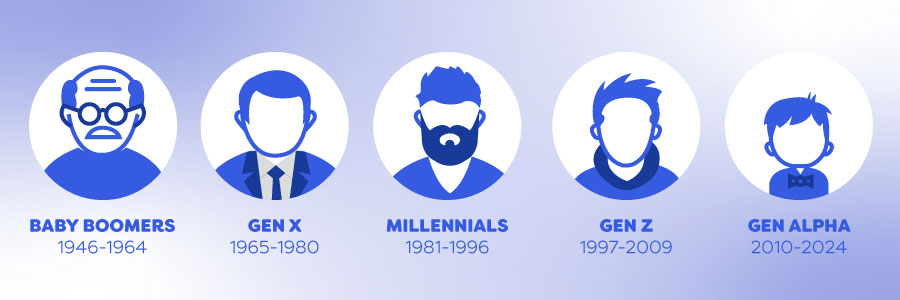
Born between 2010 (the same year the iPad and Instagram launched) and 2024, Generation Alpha is our youngest fully-defined generation. The cohort is now complete, with the oldest members turning 16 in 2026 and the youngest just entering grade school. Having crossed 2 billion people globally by the end of 2025, Gen Alpha is the largest generation in history, representing roughly 24% of the world’s population1. Notably, they are the first generation to be born entirely in the 21st century when technology is ubiquitous and integrated into nearly every aspect of our lives, earning them the moniker of “digital natives.” To better understand who Gen Alpha is, who they will grow up to be, and the outcome for retailers, it’s important to examine how their parents–millennials–are shaping them and vice versa.
Millennial Parenting Shifts
Millennials have catalyzed shifts in parenting and work culture. In comparison to older generations, millennials delayed major milestones like marriage, buying houses, and becoming parents. We’re now in the stage where more millennials are having kids, and the way they’ve chosen to parent is influencing the youngest generation.
Gen Alpha’s direct spending topped $28 billion in the U.S. in 2024, and their influence over household purchases is projected to help drive $5.5 trillion in global economic impact by 2029.2
In the aftermath of the pandemic and widespread adoption of WFH culture, millennials’ priorities shifted, affording them the flexibility to parent outside of traditional work hours. As a result, Gen Alpha is primed to perceive WFH as a norm and will likely balk at a strict 9-to-5, on-site workplace position in the future. In addition to the structure of jobs changing, so too will the types of jobs as we experience increasing advancements in tech, globalization, and greater interest in climate change and sustainability.
66% of Gen Alphas are expected to work at jobs that don’t exist today3.
56% of Gen Alphas wants or needs to work outside traditional office settings4.
Perceptions of work as uber-flexible extend to Gen Alpha’s expectations that retail and life as a consumer should also be hyper-available (both physically and digitally) and customizable. Gen Alphas won’t be tied down by employment constraints, so they certainly will not bend to the restrictions set by retailers misaligned with their needs and desires.
Shopping habits present another area of influence. Gen Alpha demonstrates a desire to be engaged with issues that matter to them – for some that means climate change, but for others, that means Paw Patrol. Recent research shows just how far that engagement extends to shopping: a 2025 study found 49% of Gen Alpha trust influencer recommendations as much as those from family or friends, and by age 12, 55% say they want a product after seeing a favorite YouTube or Instagram creator with it.5 Nearly half of parents (40%+) say their Gen Alpha children influence spending in some way, and 9% say this generation influences the majority of household purchases.6
Perspectives and Behaviors
Gen Alpha will demonstrate a level of social awareness beyond any generation we have seen thus far. They are predicted to be the most educated and entrepreneurial generation. In a world with greater acceptance and understanding of diversity, they are expected to continue to push for greater inclusivity and social justice.
Gen Alpha is also the first generation to grow up shopping inside algorithmic, AI-curated feeds, where recommendations and personalized suggestions shape product discovery before independent purchasing power even kicks in. Nearly half of children ages 6-12 have already interacted with AI-driven technology7, meaning brands will need to think not just about reaching Gen Alpha, but about how they show up inside the systems doing the recommending.
Proficient technology users from a young age, Gen Alpha will grow up as super-informed and constantly connected consumers, meaning brands will have to think fast and act fast to keep up. Retailers beware—Generation Alpha is here.
-
![Wayfind - Becoming the Builders of Digital Infrastructure]() Wayfind
WayfindBecoming the Builders of Digital Infrastructure
Creating Strong Data from Design Through Construction
-
![Wayfind - The Evolution from CPG Stock-up to “Spearfishing”]() Wayfind
WayfindThe Evolution from CPG Stock-up to “Spearfishing”
Navigating the Changing Landscape of Consumer Shopping Habits
-
![Inspiration - Solutions]() Inspiration
InspirationSolutions
-
![Solution Story - Petsense]() Solution Story
Solution StoryPetsense
Designing Store Operations for How Customers Shop and Teams Work