Why “Predictable” Beats “Cheap”: What Top Retail and Restaurant Brands Look for in a General Contractor
Lessons From the Leaders Who Manage Construction at Scale
Estimated Read Time: 5 Minutes

Quick Answer
Low bids often cost more in the long run. Construction leaders across major national brands agree that predictable performance, not the lowest price, is what actually reduces total cost. That predictability comes from three things: choosing contractors for their team and subcontractor depth, running structured onboarding instead of “trial by fire,” and using formal scorecards to track and share performance over time.
The Real Problem Isn’t Finding Contractors. It’s Predicting Them
For construction and facilities leaders at some of the country’s largest retail, restaurant, and hospitality brands, one theme comes up again and again: the challenge isn’t a shortage of general contractors (GCs). It’s the inability to reliably predict how a given contractor, on a given project, in a given market, will actually perform.
The strongest GCs aren’t necessarily the lowest-cost bidders. They’re the ones who communicate early, understand the brand’s underlying “why,” manage risk proactively, and think like long-term partners rather than one-off vendors.
Low Bid Isn’t Low Cost
A low bid isn’t automatically the most expensive option in the long run, but low-bid contractors frequently create hidden costs elsewhere. Those costs show up as added project management burden, more change orders, rework, and administrative drag.

Low bids also tend to require a lot more internal project management to manage the gaps. Given the amount of savings, the real question is whether the extra oversight is worth the headache.
A related, less obvious risk is subcontractor depth. In constrained markets, multiple GCs may be drawing from the same limited pool of subcontractors, which creates hidden capacity risk that isn’t visible at the bidding stage. If a GC can only find one plumber in a market, that’s a red flag worth acting on.
Onboarding Happens by Accident at Most Organizations
Onboarding is one of the clearest opportunity areas across the industry. Most organizations don’t have a formal onboarding program. Instead, contractors learn the brand’s standards, pace, and expectations informally, over their first one to five projects, largely through trial and error.
That approach carries real risk. Even a GC that has completed prior projects successfully can reset its own learning curve simply by swapping in a new superintendent or project manager. And “means and methods” knowledge doesn’t automatically transfer to knowing how to build inside a live, operating restaurant, retail store, or veterinary facility, with customers, patients, and staff on site throughout construction.
Formalized onboarding packages carry clear value: written or digital reference guides that explain brand standards, key contacts, and the reasoning behind critical requirements, not just the requirements themselves. Too often, contractors simply don’t know the “why” behind a standard. Repetition matters too. Onboarding that happens at tender or award often has to be repeated at kickoff, since the team that shows up on site is frequently not the team that was originally briefed.
Scorecards Turn Gut Feel Into Evidence
Informal feedback like “we shouldn’t use this GC anymore” is hard to act on without structured reasons behind it.
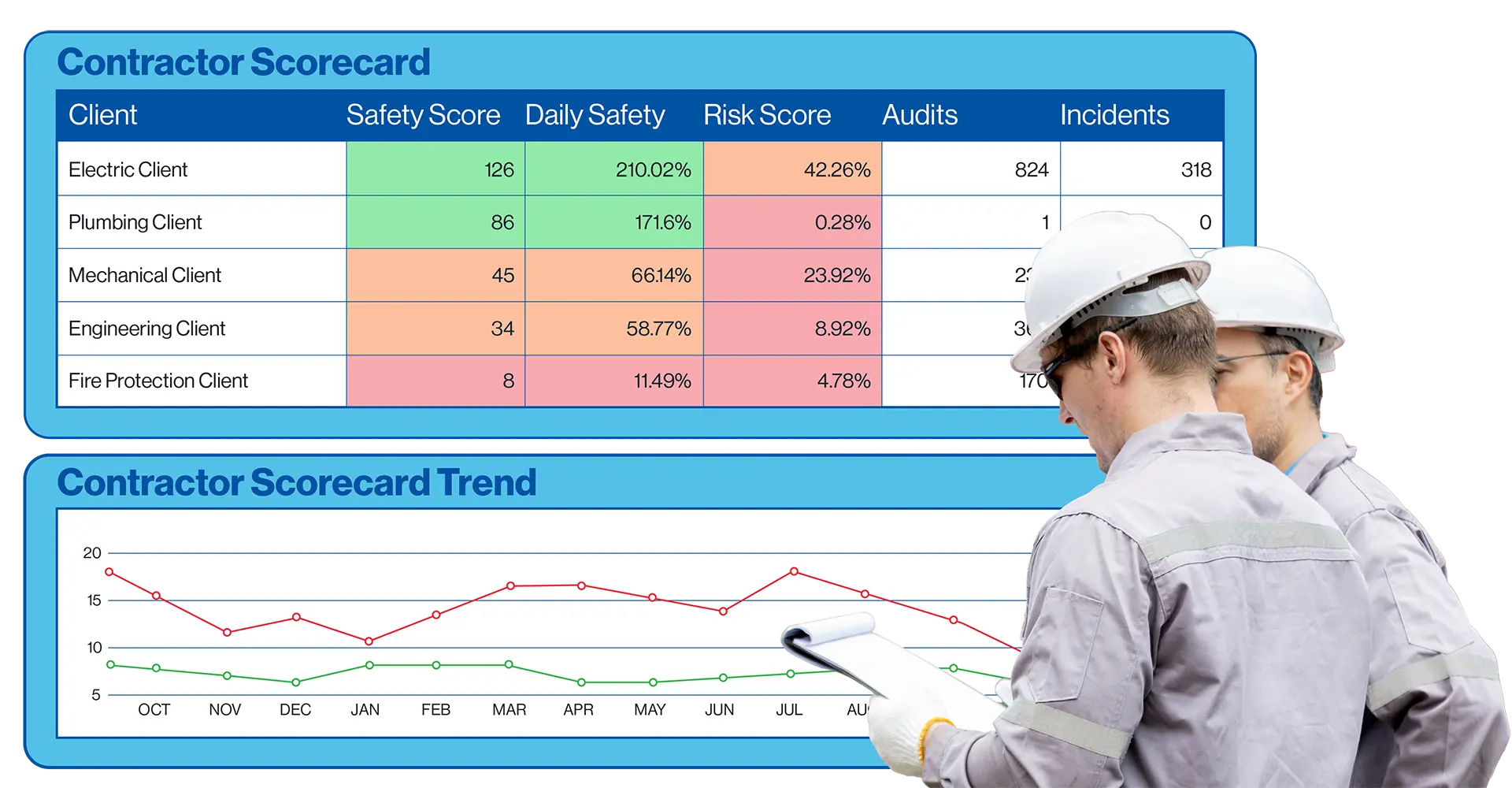
Organizations with more mature programs use formal scorecards completed on every project, reviewed by managers, trended centrally, and rolled into annual contractor reviews. The most effective versions pull input from multiple stakeholders, not just the project manager, and weigh historical cost performance over time (initial bid versus final, all-in cost) rather than relying on a single project snapshot.
Just as important: that feedback needs to flow back to the contractor. Strong partners want to know how they’re performing and where they stand against expectations, not just whether they get invited back.
Technology Is the Next Lever for Predictability
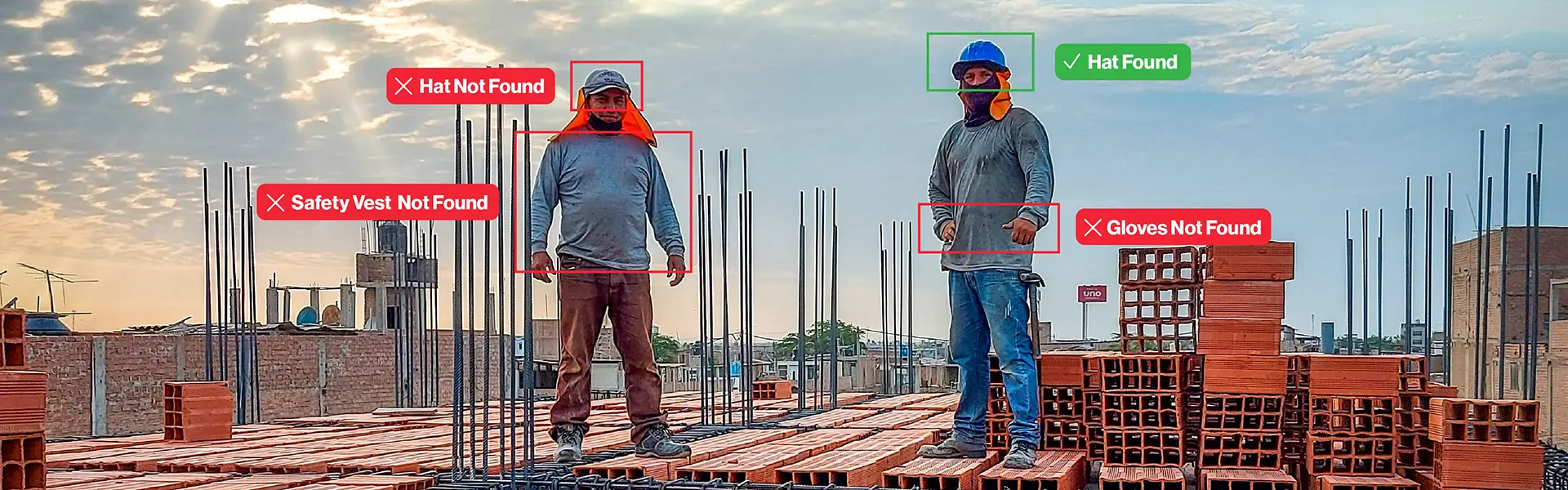
Technology is increasingly a lever for improving safety, reporting, and visibility on jobsites. Contractors already investing in client-facing technology, automated daily reports, and AI-enabled safety monitoring (like time-lapse camera systems that flag missing PPE) stand out as stronger, more forward-looking partners.
The Bottom Line
Predictable contractor performance isn’t luck. It’s the product of deliberate choices: sourcing decisions that weigh total cost of ownership over bid price, onboarding that’s structured rather than improvised, and scorecards that turn feedback into a repeatable, shareable process. Predictable performance stops being lucky the moment an organization actually engineers for it.
How WD Helps Brands Build This Kind of Predictability
Getting from informal, trial-and-error contractor relationships to a truly predictable program takes more than good intentions. It takes the right sourcing criteria, structured onboarding tools, and a scorecard process that’s actually used, not just filled out. WD Partners works with national retail, restaurant, and hospitality brands to build exactly this kind of program, turning contractor management from a series of one-off bets into a repeatable system that protects budgets, timelines, and brand standards project after project. If your organization is ready to make predictable performance the norm rather than the exception, WD can help you build the framework to get there.
Frequently Asked Questions
Why do low-bid general contractors often end up costing more?
What’s the biggest gap in how brands onboard new general contractors?
How should brands evaluate general contractor performance?
Relevant Content
-
![Wayfind - Celebrating 25 Years of Partnership with The Home Depot]() Wayfind
WayfindCelebrating 25 Years of Partnership with The Home Depot
A Journey of Collaboration and Innovation
-
![Wayfind - From Commerce to Connections: The Rise of Cultural Capital]() Wayfind
WayfindFrom Commerce to Connections: The Rise of Cultural Capital
Retail Revolution Series: Article #1
-
![Wayfind - How Are the Best Brands Delivering Faster, Smarter Projects? They’re Asking Different Questions.]() Wayfind
WayfindHow Are the Best Brands Delivering Faster, Smarter Projects? They’re Asking Different Questions.
The Topics Driving Those Conversations: AI, Cost Savings, Permitting, and Standardization
-
![Wayfind - When Expectations Travel]() Wayfind
WayfindWhen Expectations Travel
And How to Become Placemakers of the Future