The Kitchen Is Getting Smarter
What's Driving the Next Wave of Foodservice Innovation
Estimated Read Time: 4 Minutes

The foodservice industry has always evolved under pressure—and right now, the pressure is immense. Members of WD’s Operations Strategy & Design team attended the National Restaurant Association’s annual show in Chicago — and what they saw on the floor reinforced just how quickly things are moving. Labor costs continue to climb, consumer expectations for speed and personalization are at an all-time high, and the economics of running a kitchen are more complex than ever. The result? A wave of innovation reshaping everything from how food is cooked and fulfilled to what ends up in the cup.
Automation Isn’t Coming. It’s Already Here.
The labor shortage facing restaurants is acute. The National Restaurant Association reports the industry shed a net 25,500 jobs in the first quarter of 2025 alone, the weakest quarter since 2020. With 70% of operators reporting hard-to-fill openings, automation has shifted from a competitive advantage to an operational necessity.
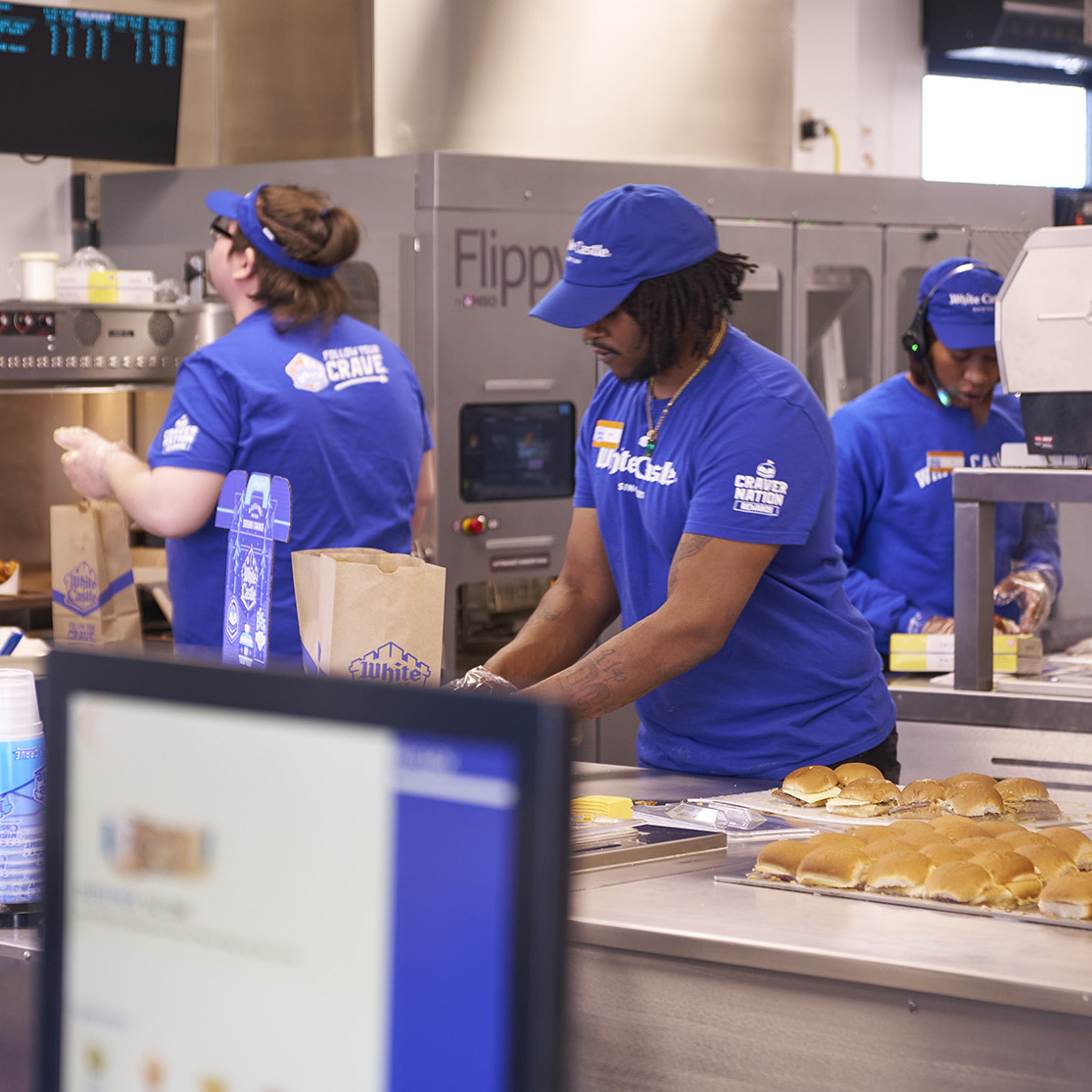
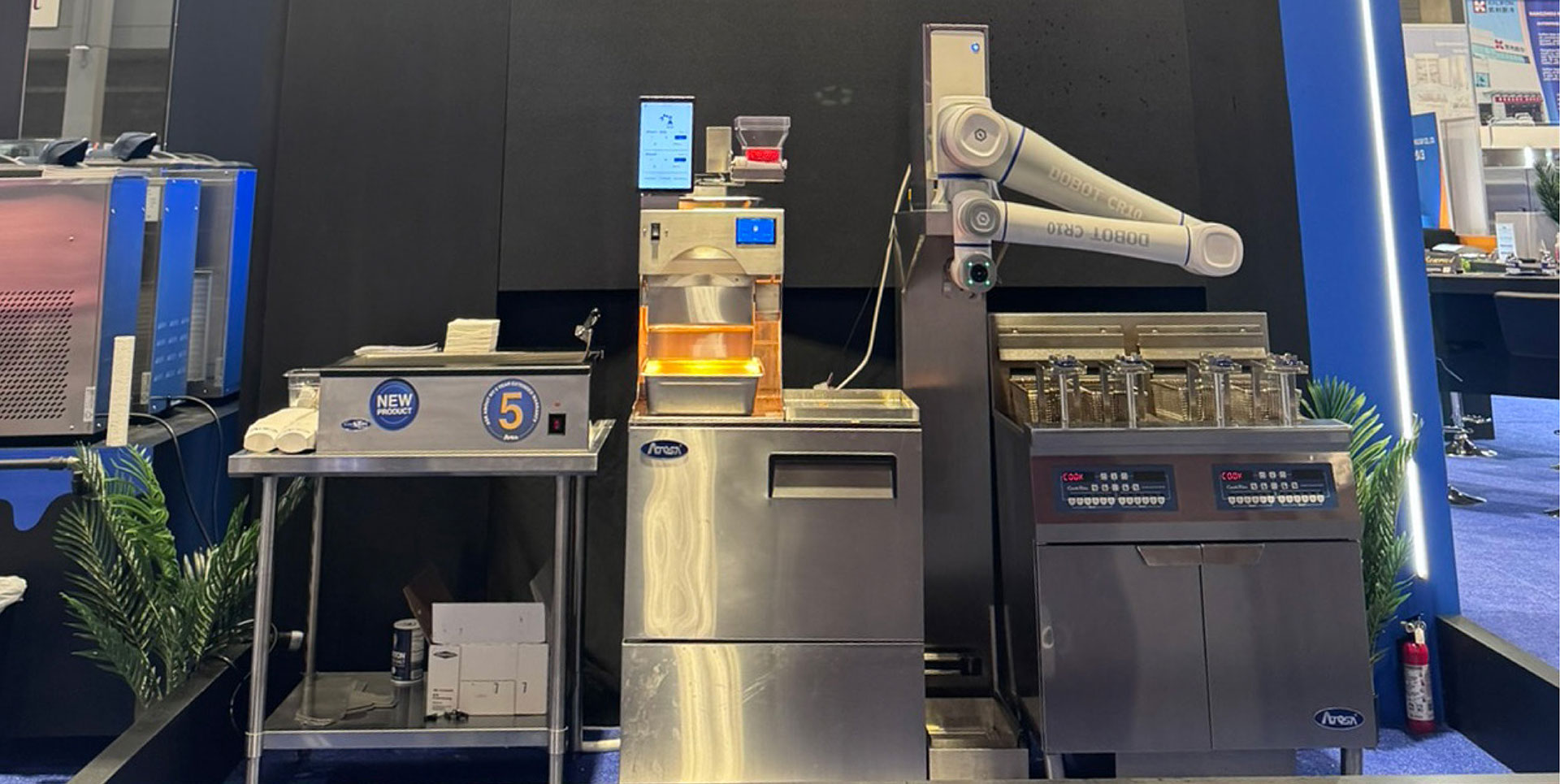
The solutions available today are increasingly sophisticated. Robotic fry stations like Miso Robotics’ Flippy arm handle high-volume, high-heat tasks with consistency that’s hard to match with a rotating crew. Automated prep equipment tackles physically demanding work that burns through back-of-house labor. Manufacturers like Middleby Corporation are building automation into entire kitchen ecosystems rather than one-off gadgets. Voice AI platforms like SoundHound handle front-of-house order intake without adding headcount, while digital kiosks have become the preferred ordering method for younger consumers in self-service environments.
Around 45% of professional kitchens are expected to integrate AI tools in some capacity this year. Automation doesn’t replace hospitality, rather it protects the staff capacity needed to deliver it.
The Last Mile Gets a Lift
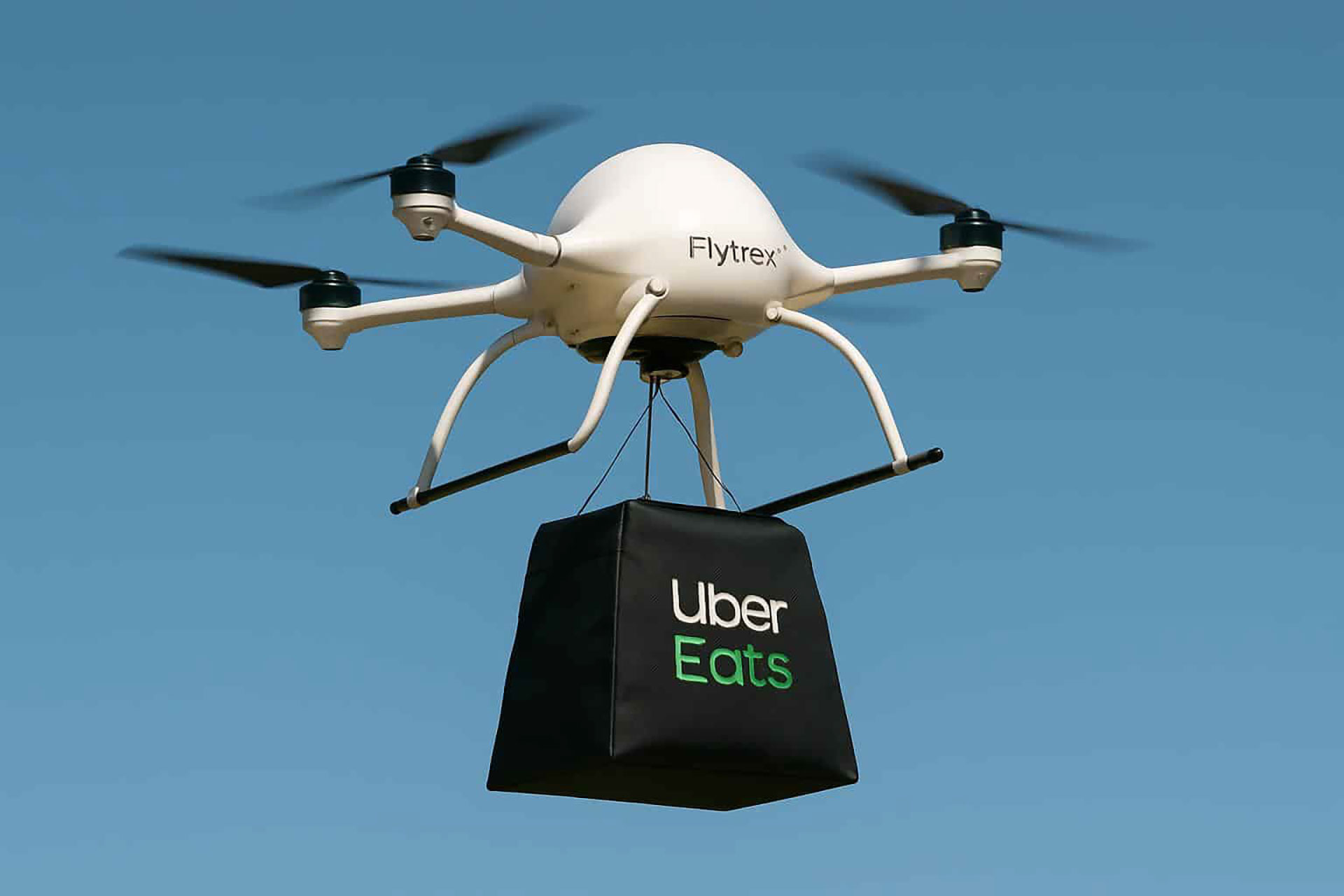
Drone delivery is no longer a publicity stunt. Flytrex (one of only four FAA-authorized providers for beyond visual line of sight drone operations in the U.S.) has completed more than 200,000 deliveries and is expanding rapidly across Dallas-Fort Worth in partnership with DoorDash and Uber Eats. Alphabet’s Wing is blanketing the same market from above. BVLOS certification allows a single remote operator to manage multiple drones simultaneously, fundamentally changing the cost-per-delivery math. For operators in suburban markets, aerial delivery is transitioning from pilot program to viable channel.
On the ground, hot vending—machines dispensing freshly prepared burgers, dumplings, and cooked items—is quietly expanding the definition of foodservice fulfillment. These smart units open up airports, campuses, and office buildings to hot, on-demand food without traditional staffing requirements.
Efficiency Gains in the Equipment Itself
Some of the most practical innovation in foodservice is happening at the equipment level. Blendtec has redesigned its commercial jar geometry for a 25% increase in blending speed. Fresh’n Squeeze has developed higher-throughput juicing equipment that improves both speed and yield. These aren’t radical reinventions, they’re the result of manufacturers listening to operators about where time and product get lost.
Southbend’s Steamshell technology reduces cook times while maintaining food quality, without requiring operators to replace existing equipment—a meaningful distinction for anyone staring down long capital replacement cycles. CNSRV’s water bath thawing monitoring cuts both thaw times and water usage through precise temperature control.
Equipment manufacturers are increasingly competing on measurable ROI—speed, energy savings, waste reduction—rather than feature counts. The operator buyer has gotten more sophisticated, and the pitch has had to match.

Beverages as a Battleground for Personalization
Seventy-five percent of Gen Z and Millennial consumers describe beverages as a form of self-expression. That’s not a trend to merchandise around; it’s a fundamental shift in how beverage programs need to be designed.
The non-alcoholic segment is leading the charge. The global mocktail market, valued at over $2 billion in 2024, is projected to grow at nearly 8% annually through 2035, fueled by the sober curious movement and growing demand for functional, intentional drinks. Bold flavor profiles like coconut, tropical, and savory-sweet fusions, are resonating broadly, with brands like Pepsi’s Drips line and Red Bull bar concepts showing how major players are experimenting with more immersive foodservice formats.
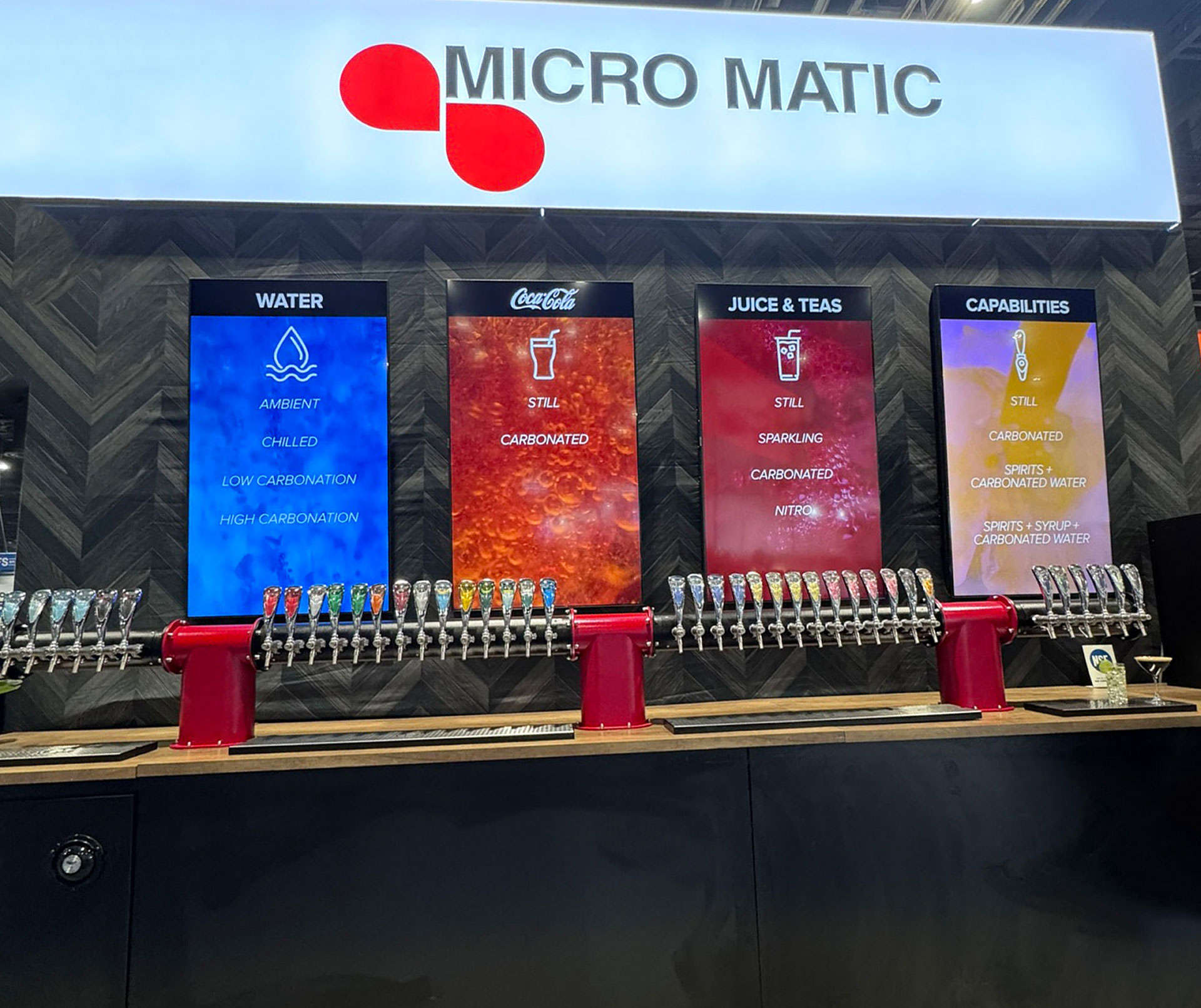
On the equipment side, integrated tap systems from Micromatic let operators embed dispensing into their design aesthetic, while low-barrier formats like Java House cold brew pods add premium SKUs with zero equipment footprint. Heinz’s condiment customization dispensers put personalization directly in the consumer’s hands while reducing waste in the process.
The Bigger Picture
What connects all of this is a shared response to the same pressures: a tighter labor market, more demanding consumers, and thinner margins. The operators winning right now aren’t just adopting technology, they’re reframing their operations around it. The pace of change in foodservice has never been faster. For those paying attention, that’s less a threat than an invitation.
WD’s Operations Strategy & Design team keeps a close eye on shifts like these — bringing deep foodservice operations experience to help clients understand what’s worth the investment and what’s still finding its footing. If you’re navigating these decisions, we’d like to help. Reach out to start the conversation.
-
![Wayfind - The Restaurant of the Future Starts Where Customers Never Look]() Wayfind
WayfindThe Restaurant of the Future Starts Where Customers Never Look
Building a Prototype That Works Everywhere—Even Where It Already Exists
-
![Inspiration - Beyond Pasture]() Inspiration
InspirationBeyond Pasture
A Dining Concept Built on Cultural Capital
-
News🗗
Ready, Set, Automate: Mapping Your Kitchen Automation Journey
Foodservice Equipment Reports
-
![Wayfind - Feeding the Masses]() Wayfind
WayfindFeeding the Masses
Rethinking High-Volume Foodservice Operations